
Vatnajökull
An Icelandic icon — carving out its empire for 2,500 years.
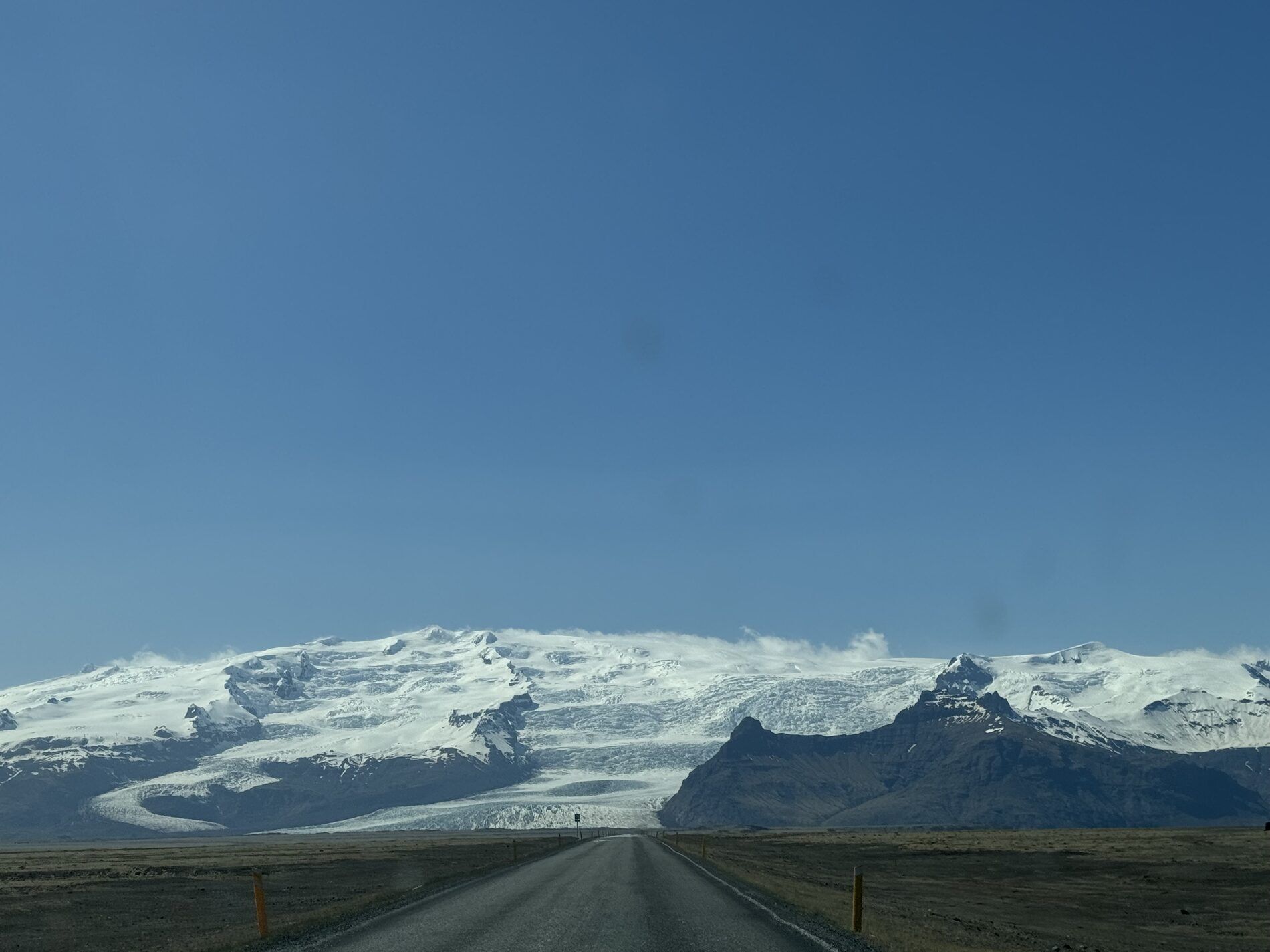
An ice cap covering around seven percent of Iceland, a kilometre thick at its deepest, with seven active volcanoes sleeping underneath it — even though they wake up now and then. Everything we show you on this coast, it created.
Ice a kilometre deep
Around 380 metres thick on average, and up to roughly 950 metres where it is deepest. Home to Iceland's tallest mountain and most spectacular sights.
Seven volcanoes underneath
Active central volcanoes sit beneath the ice. When they erupt — the last time was 2011 — the meltwater comes down these valleys, and sometimes wipes out everything in its path.
It built this coast
The outwash plains, the glacial rivers, the black sand, the icebergs on the beach — all of it is of the glacier's making. In many ways you could say the people are too.
Six places, one glacier.
Jökulsárlón
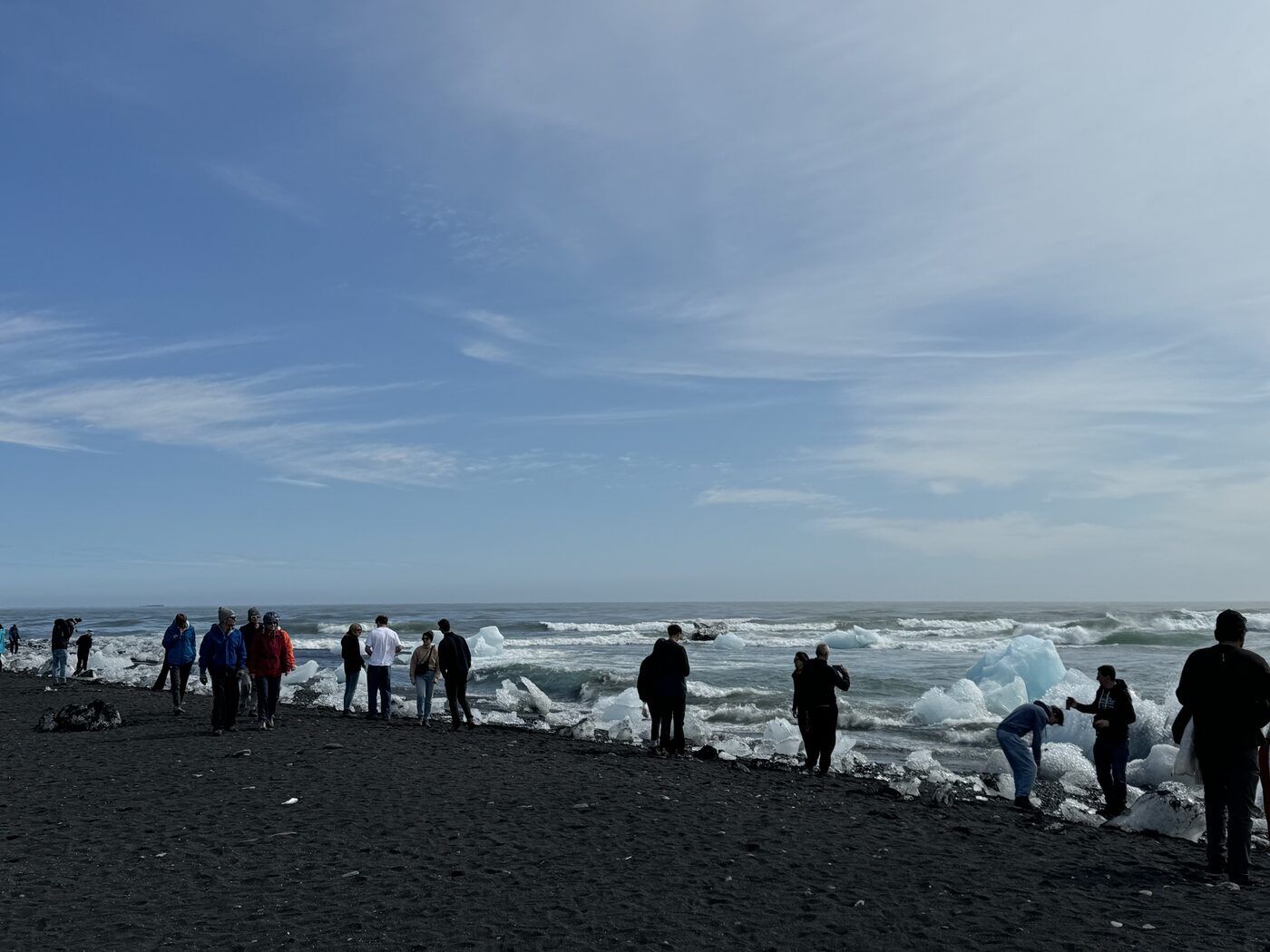
Iceland's most spectacular natural attraction, and unique in the world — the location of the James Bond films A View to a Kill and Die Another Day. A serene lagoon where icebergs the size of apartment buildings calve from the glacier and float majestically towards the Atlantic Ocean.
Vestrahorn & Stokksnes
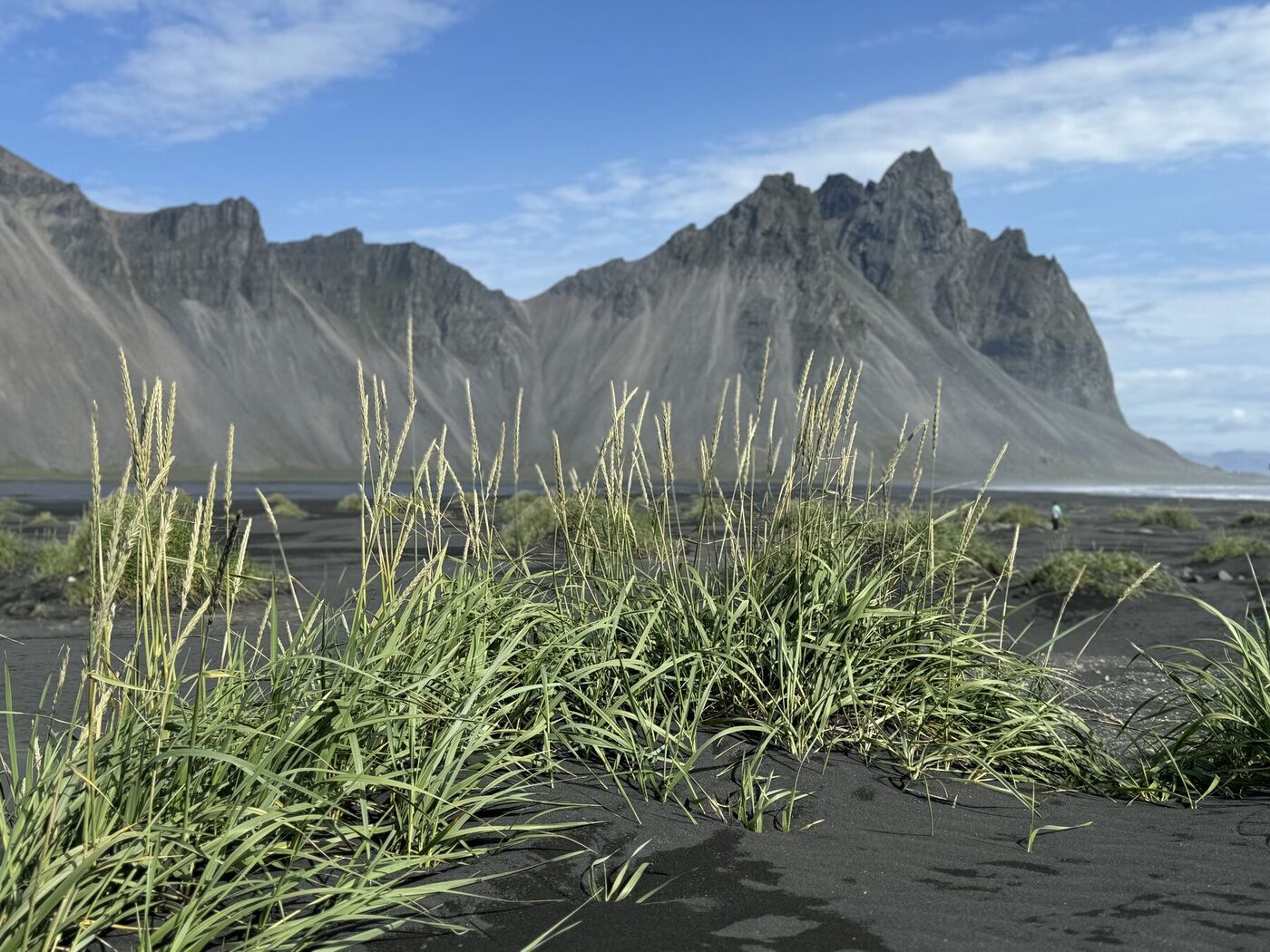
The jagged, towering cliffs of this dramatic mountain, along with the mirror-faced sand dunes, make it the most photographed mountain in Iceland by far. In the shadow of the mountain rests an old movie set for a Viking film that makes you hear the drums of war — though that is probably just in your head.
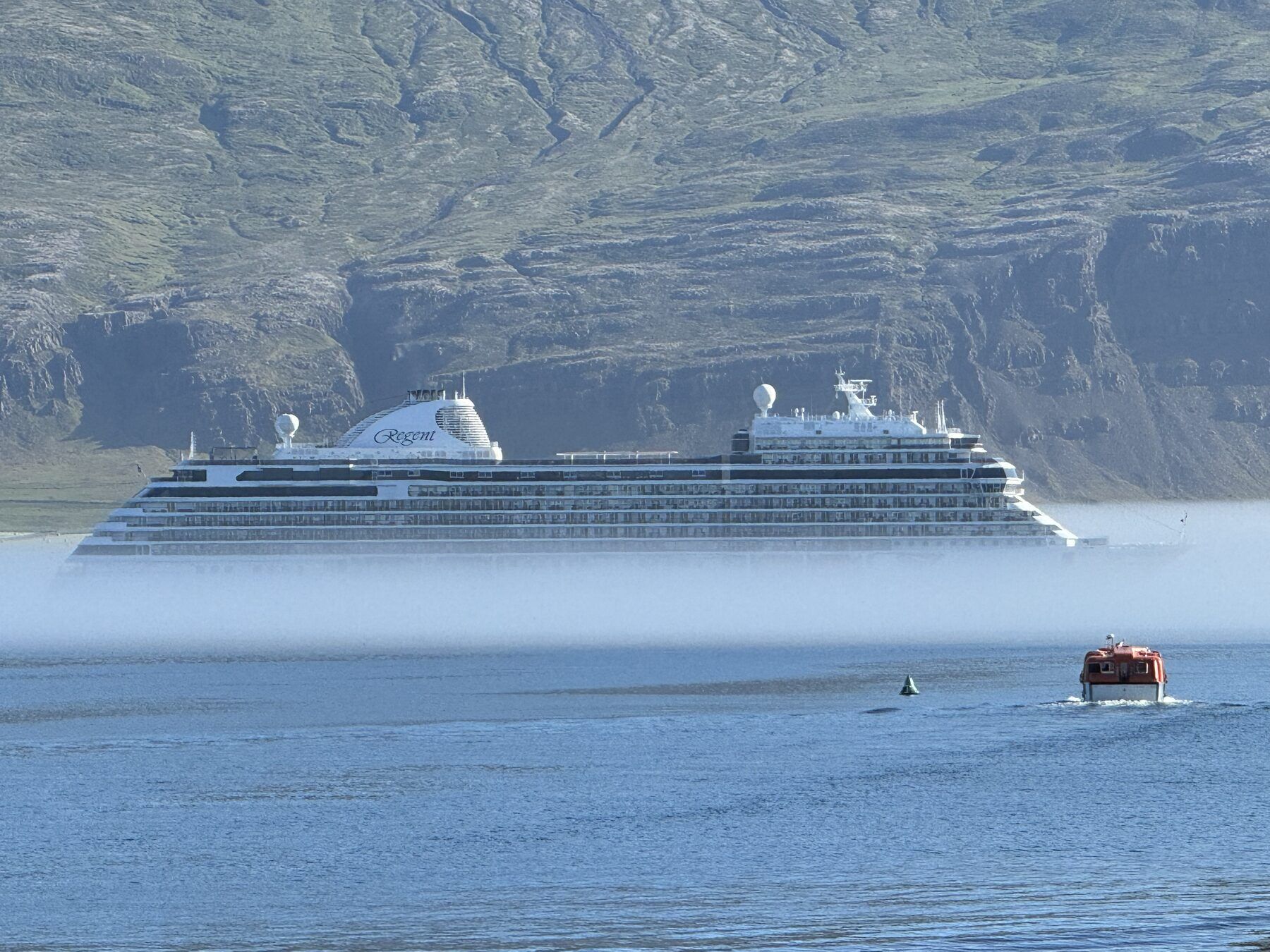
Djúpivogur
A small village surrounded by slanting mountains, Djúpivogur is a quiet, serene place — a partner in the international Cittaslow movement, with a history as a trading post going back to 1589. The slow-living village comes to life when the cruise ships arrive, and offers plenty in food, drink and beautiful landscape.
Fjallsárlón
This glacial lagoon might be smaller than its neighbour, but it gives a more intimate connection to the glacier itself, being much closer to the towering behemoth. A more personal experience, some say.
Hoffellsjökull
Driving towards this outlet glacier, a feeling of wonder builds as we get closer to the giant moraine — a gravel mound pushed up over the centuries by the glacier itself. When we ascend the moraine an unbelievable view opens up, and we finally see the small glacial lagoon Hoffellsjökull has made for itself.
Höfn
The name Höfn means harbour, or haven, and it is a beautiful fishing village with views to die for — surrounded by mountains and outlet glaciers, Vatnajökull towering over it and the Atlantic Ocean's crashing waves at its doorstep. Fishing has always been the town's culture, and it is the langoustine capital of Iceland: the lobster town.
Not scenery. The weather, the rivers, and the view from the kitchen window.
People here have lived through the floods and the eruptions the ice cap sends down. The glacier is not scenery to us — it is the weather, the rivers, and the view from the kitchen window. It is also visibly smaller than it was when our guides were children. Not many places show as clearly the effects of the changes in our climate, be they the product of man or of millennial currents.
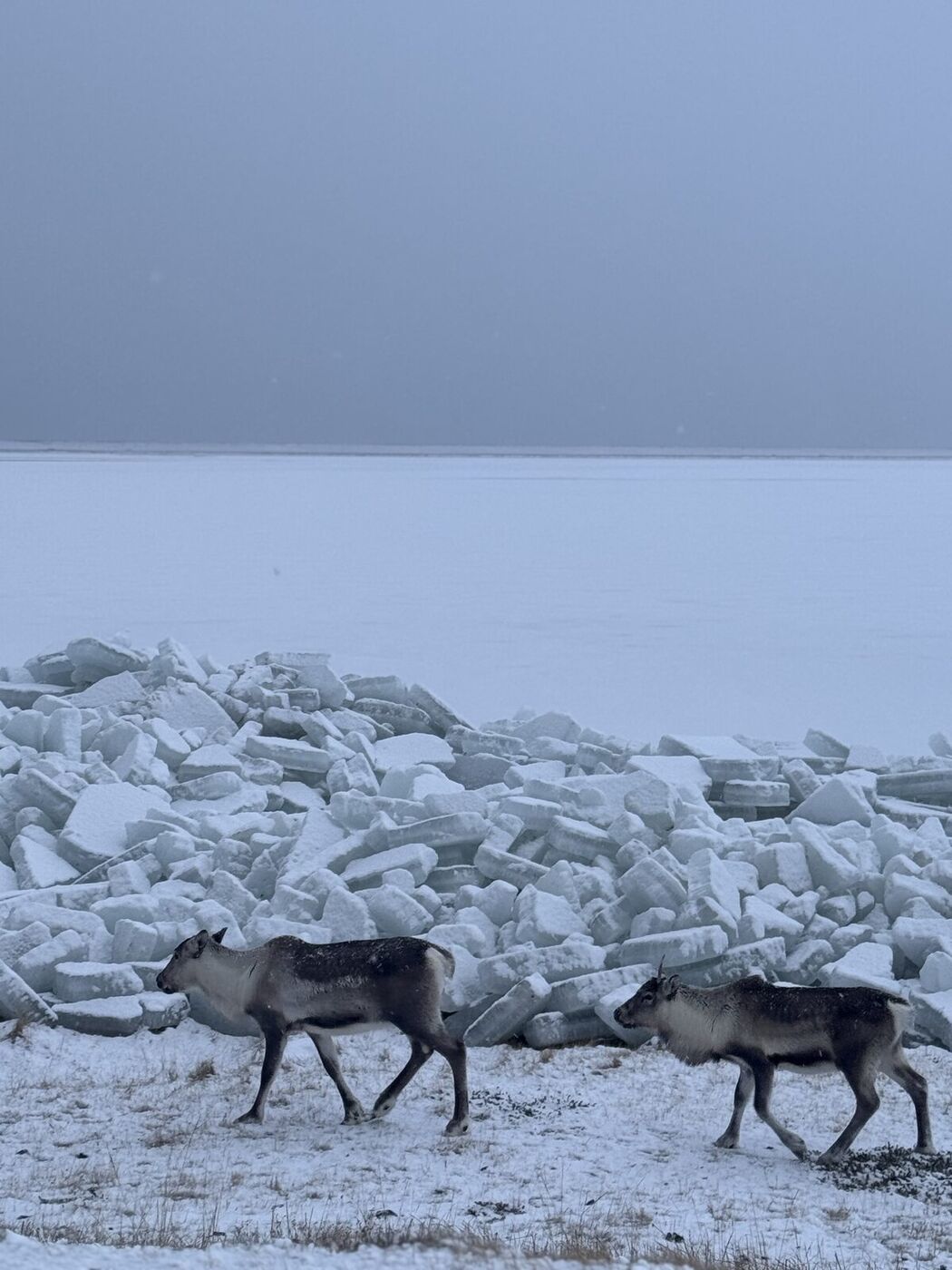
The realm of Vatnajökull is one of change. As the snow thaws the moss turns green and the rivers bubble with glacial water. Reindeer roam the countryside and are a common sight from winter until the middle of July. Farmers send sheep and their lambs into the wild to graze, then send armies of people into the mountains in September to bring them home. In autumn it gets colder, but that means we can start to explore the magnificent blue ice caves of the glacier. Every season has its own sights and colours, and we will always have something special to show you, whenever you arrive.
Questions about a call day, or a private tour?
We answer the same day. Ask for the programme, or tell us the day you have in mind.
Get in touch →